
COMPOSITES
Due to our commitment to performance recording and Research and Development we have decided to extend our most valuable asset – our cow herd – to create a composite programme.
Our composite programme goal is to create a set of cattle which are based on fertility and superior quality carcase attributes which can be used across a range of environments. We believe that by focusing on these two crucial traits we will be able to deliver an article which will significantly add genetic gain and profitability to many beef herds.
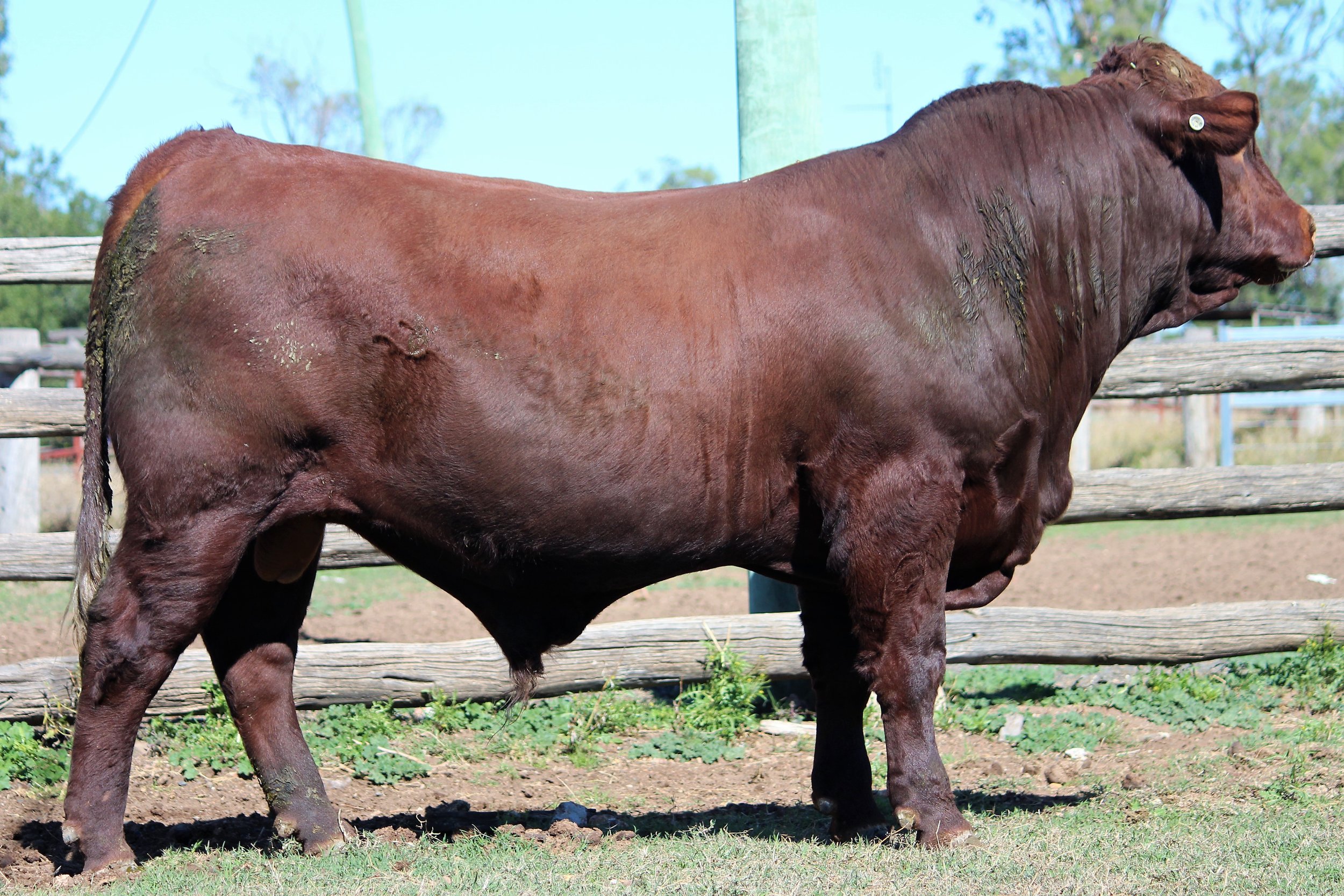
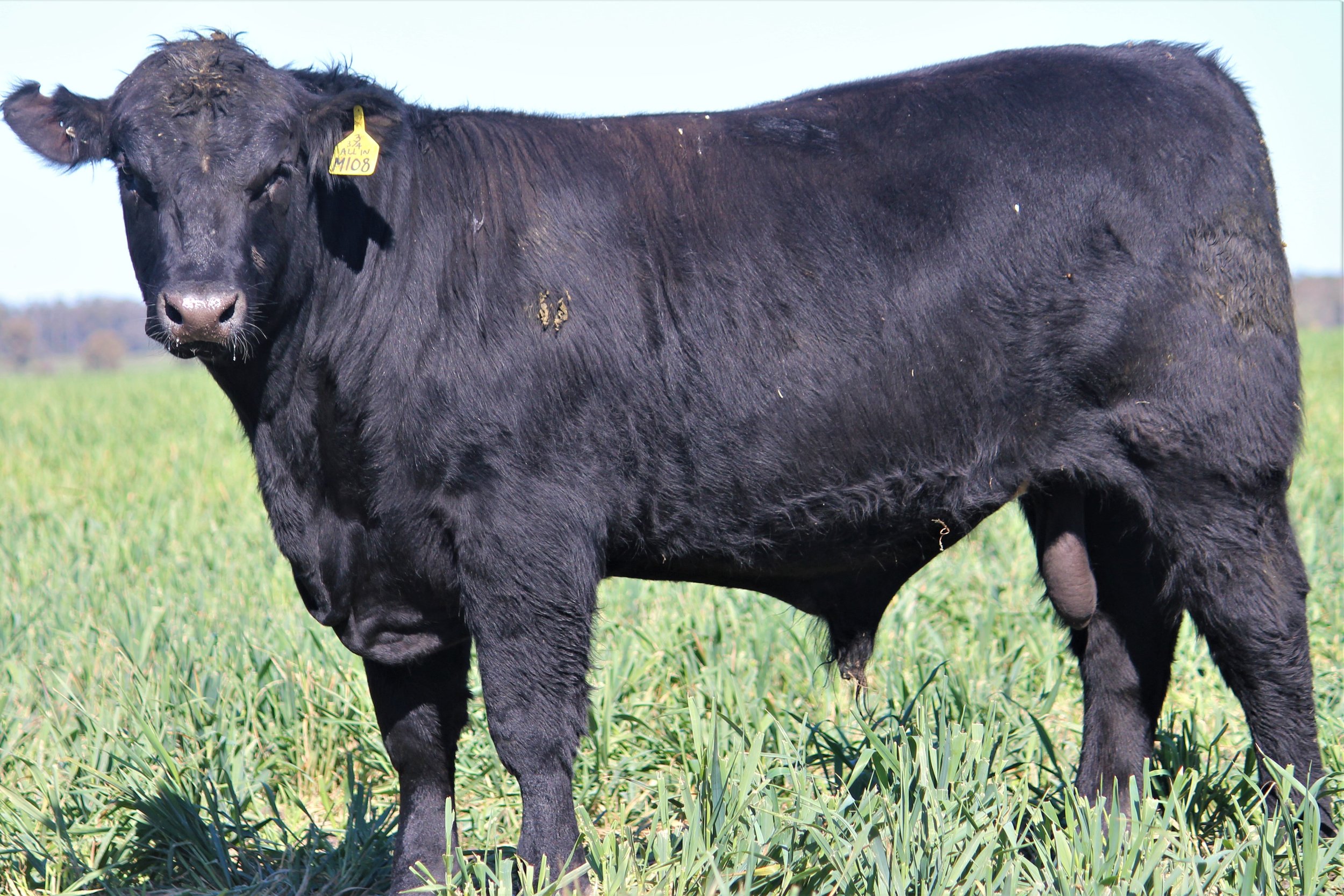
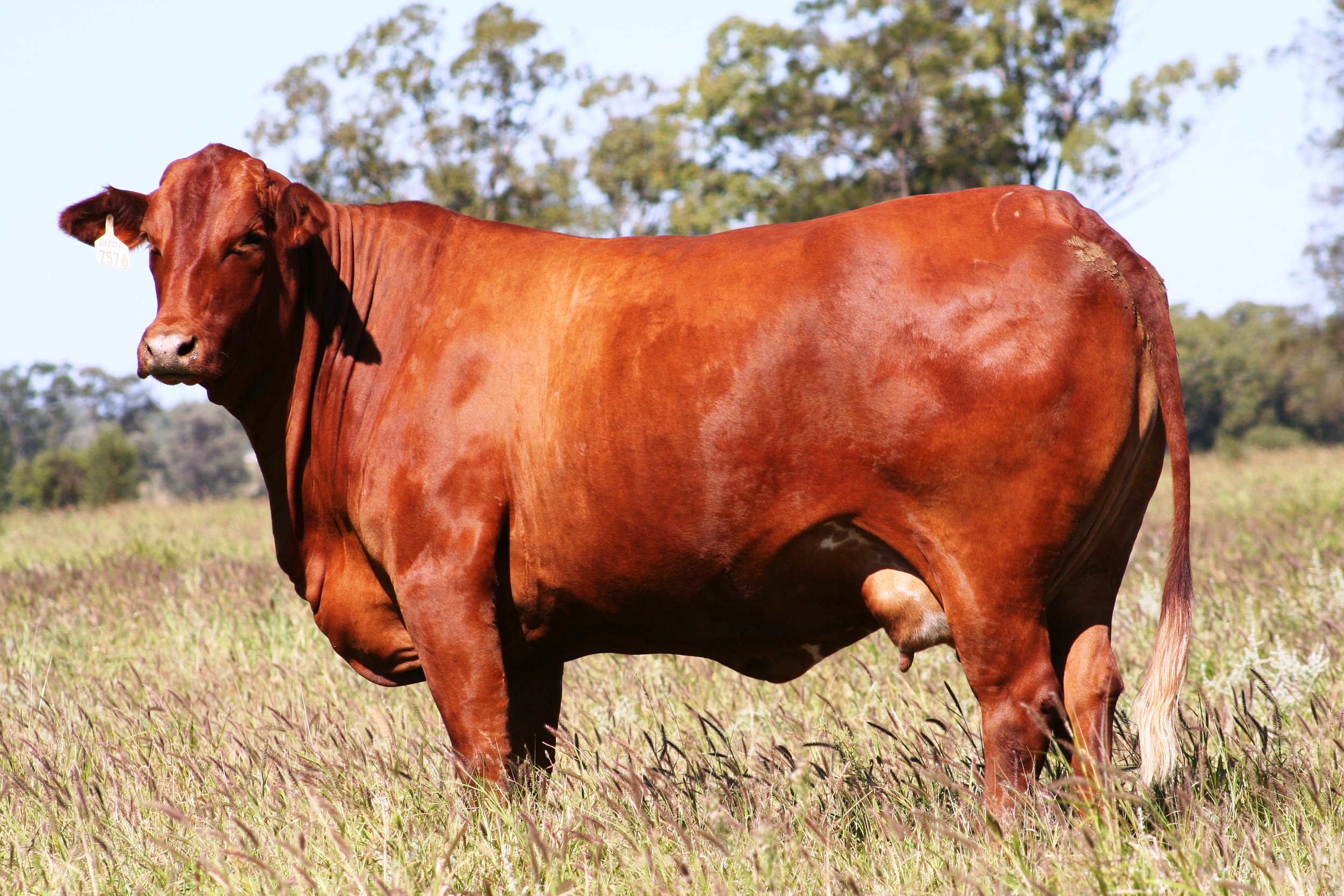
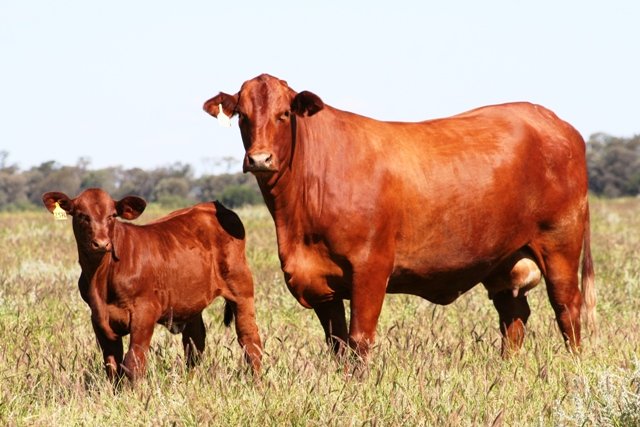
Our composite cattle will be known as Durham Blacks and Durham Reds. We see our Durham Composite programme opening some market doors for us which will complement our Shorthorn operation. Focusing on real profit driving traits fertility and carcase from our Shorthorn herd - we have embarked on producing a Durham Red and Durham Black.
-
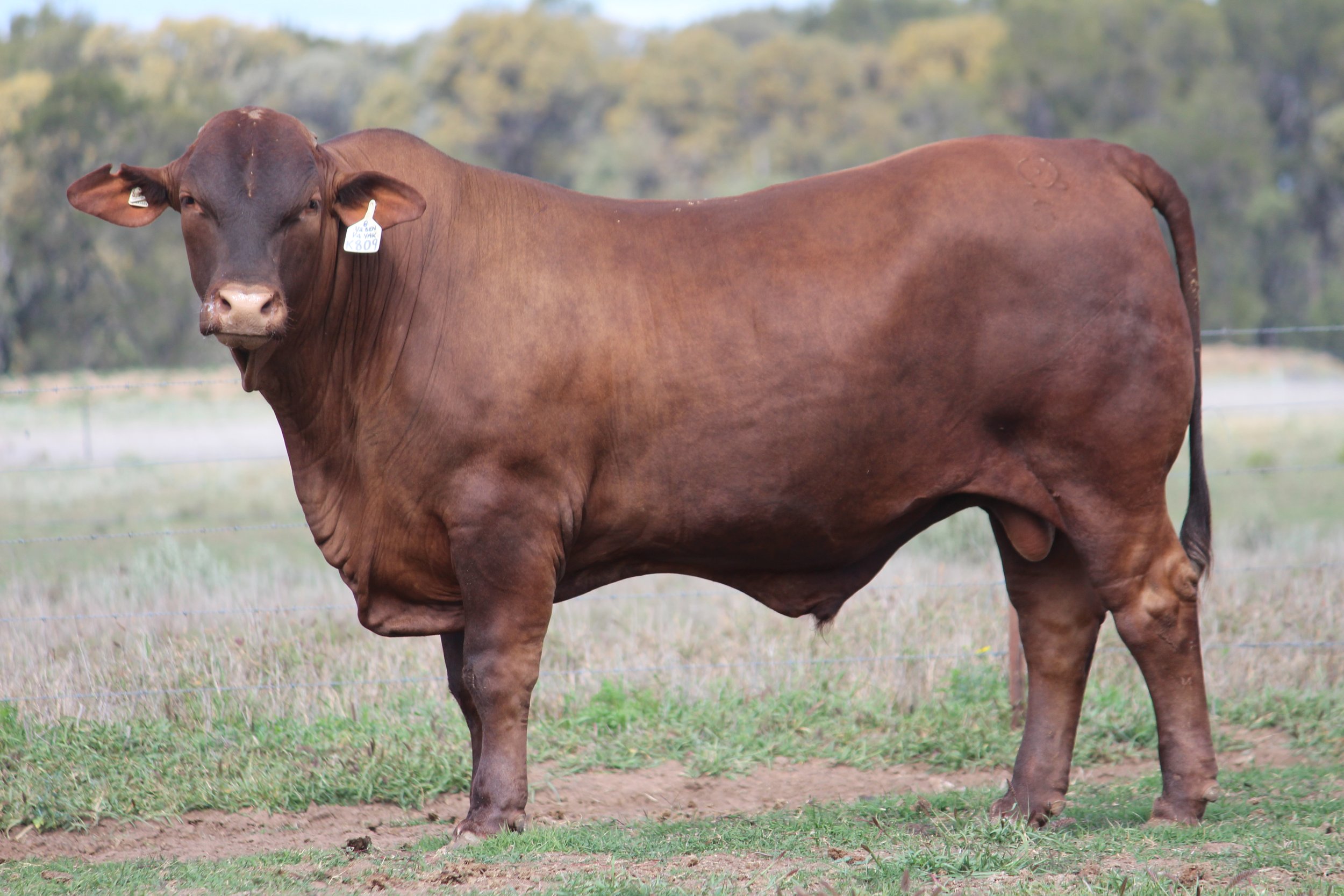
For the Durham Red we have combined Red Brahman (for their survivability and efficiency traits) and Senepol (for their 100% British rating, slick coat, polled head and temperament) genetics to our Shorthorn base. The end result is a very high content British animal with good tropical adaptation that can really open some MSA pathways for their progeny. See MSA Pathways Below.
-
For the Durham Blacks we obviously chose Angus (for colour and their very well described Genotype to assist in carcase quality traits and fertility) to combine with our Shorthorn. The result is an animal ideally designed to maximize profits for the higher quality markets able to be finished off grass or grain depending on your environment and market.
A small number have been used with outstanding results over a pure black herd for the past five years as we have been developing the Durham Black. With a marked increase in weaning and yearling weights combined with higher conception rates in the resulting heifers they are achieving everything we had hoped for.
Open pathways to MSA Grading success
MSA defines the pathways to good, consistent eating quality of beef and as a result provides an effective grading system in terms of many of the values consumers of beef are looking for: consistency, tenderness and overall predictability of eating quality.
Tropical Breed Content(TBC), marbling and ossification are just a few of the traits measured to determine which pathway a carcase follows, and into which if any boning group it is graded into. Higher % TBC or Indicus cattle are genetically adapted to harsh environments, excelling in their ability to survive and produce under the very adverse conditions experienced through much of northern Australia.
MSA research has shown that these same cattle that can survive where very few others can, have negative traits which impact the eating quality of many cuts. It must be noted this is a generalization and that these breeds still achieve MSA grading but need to follow a more stringent pathway to the lower TBC % cattle.